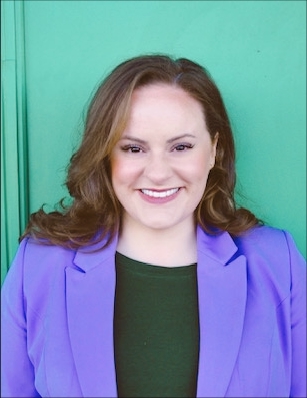



What happens when you move somewhere new and have to rebuild your entire life from scratch? In this episode, I sit down with my real-life friend Meredith McAlister, who has moved across the country multiple times—from Massachusetts to Texas, California, and Wisconsin—and somehow managed to create community everywhere she goes.
We talk about what it actually looks like to start over: the awkward coffees, the loneliness, the courage it takes to keep showing up, and the systems that make it easier. Meredith shares how she navigated heartbreak, career pivots, and cross-country moves—and how she’s built a life rooted in connection, curiosity, and resilience.
Review the Transcript
Julie: Welcome back to the System for Everything podcast. Today’s system tip. Moving to a new city. Join a hiking group even though you hate hiking. Say yes to awkward coffees and find a mediocre taco place to defend with your whole chest. Today my guest is Meredith McAllister. What happens when you move across the country?
Leave behind your job and your people and start from scratch again and again. Meredith has done just that for Massachusetts. To Texas, to California, to Wisconsin, and somehow made each place feel like home. She has worked in HR at multiple major corporations and through every career change and cross country move, she’s created a life filled with community curiosity and courage.
She loves to connect to people, loves to connect people to opportunities and invest. In her local network, wherever that may be. If you’ve ever wondered how to actually make friends in a new city, avoid the loneliness spiral, or just reinvent your routine in a fresh zip code, Meredith has thoughts. Welcome Meredith.
Meredith: Thanks for having me, Julie.
Julie: I’m so excited you’re here, guys. Meredith, not that, not that all my business friends are not, but Meredith is my real life friend, like has met my child, attended my wedding, and we met. At least 10 years ago now.
Meredith: 10 years ago?
Julie: Yeah.
Meredith: I mean via, via Annie Black.
Julie: Yes. Meredith best friend and one of my favorite humans in the world.
Same. Um, yes. We also mentioned Annie on my episode with Lauren about maintaining adult friendships. So Annie’s getting a lot of shout outs.
Meredith: She’s gonna have to get on here and speak for herself.
Julie: Yes. All right everyone. We’re gonna start with the system reboot. A quick reset to start our episode with some humor and humanity.
Meredith, you are a solo travel queen, even abroad. Yes. Like if you are alone in a new country and you had no cell service, what is the first thing you would do to orient yourself? Would you look for a landmark? Find like a coffee shop, quietly, panic and spiral.
Meredith: Great question. Um, all of the above. So this, actually, this actually happened to me.
I’ll, I’ll make it quick. But this happened to me on my first solo trip abroad in Edinburgh. My phone wasn’t working. I somehow couldn’t access my maps, my reservation, and I was a little bit flustered and freaked out in a new city. I found I would too. Oh my gosh. And I just had this moment of, oh, I wish I had a boyfriend or my dad here to help me.
And I thought, you gotta figure this out yourself. You, you’re a grown woman, you can figure this out. So I. Locked up my bag at a bus station, so I wasn’t schlepping a Rollie bag. That was first one. Oh, that
Julie: is smart.
Meredith: Lighten the load. Second plan. Find a place either with people, with someone that looks like they can help.
And I found a mall with a cafe in it, and I sat down at the cafe. I thought if I can just have a cup of tea or a cup of coffee reset, calm down a little bit, you know, figure out my bearings. Find someone who’s local, I can figure out what’s going on. So luckily it was a language I could speak and I figured it out.
My phone started working and there you go. But somewhere that I would say, you’re gonna have community, so a cafe or someplace kind of local.
Julie: I love that. And I also had the dumbest thought as you were telling that story, which was, oh my God, they have malls there. Yes, Julie. They have malls everywhere.
People shop for things in clusters. Turns out,
Meredith: it turns out, and my gosh, the culture, certain places, sometimes the malls and the cafes are actually nice sit down restaurants. So, uh, very different
Julie: hot travel tip everyone. All right. What TV character would you want as your roommate in a new city?
Meredith: Ooh. Oh my gosh.
That’s such a good question. I don’t know why. The first thing that popped into my mind was Captain Sandy from Willow Deck.
Julie: I mean, she would be clean and respectful and quiet. She’s militarily
Meredith: like she’s organized. Yeah. She would always know what to do.
Julie: Plus she’s sober. She’s not like throwing crazy parties.
Meredith: I think so. I just think we’d have fun together and I, I think she’s kind of type A, she knows how to maximize a day, how to get a lot done. I think we’d have fun.
Julie: She’s traveling so much. So perfect.
Meredith: Yeah. Perfect.
Julie: Perfect answer.
Meredith: Very knowledgeable. Thank you.
Julie: And finally, what is a pop culture moment that lives rent free in your head?
Meredith: So maybe it’s because I lived in New York City for a year after college in 2010, and so the Real Housewives of New York was very formative for me. Yes. But it’s Aveva dresser and the leg.
Well,
Julie: I just, okay. We’re gonna need to like put a meme in the show notes. Okay. For anyone that doesn’t know what’s happening. Yes. Guys. Aviva Drescher had a fake leg and threw it at someone during a fight
Meredith: on the fight. Yes. Yes.
Julie: Phenomenal television. It
Meredith: just doesn’t get better. That’s what I thought growing up in New York would be like.
Turns out wasn’t, no, no one else did that.
Julie: All right everyone. You’ve met the personality. Now meet the powerhouse. Meredith doesn’t just move cities. She builds lives from the heartbreak that sent her back to Texas, to the job opportunities that pulled her to California and Wisconsin. She has created systems to find community, embraced change and not lose herself in the process.
Here’s my conversation with Meredith on the system for starting over somewhere new. All right. I wanna start with the move that did not feel like an adventure. It felt like, yes. A reset. Can you tell us about that first move back to Texas. What brought you there? What did life look like at that moment?
Meredith: That was 10 years ago, which feels like a lifetime ago. It feels almost like a different, a different season of my show, the show that is Meredith, A different season of my, my life and my character and my evolution. But yeah, 10 years ago I went through a really bad breakup in Boston and I sort of thought, I found my person, thought I was settling down, thought I was just fine in my career, which I really hadn’t explored beyond what I’d.
Ended up doing after college and the breakup was actually what enabled me to think bigger, think differently, reset. I have, I’m very fortunate to be very close with my family and have had a home to go back to and a nest to rebuild my life and, and rethink certain things and. I had a really good mentor in Boston, uh, at the parent company of the company I worked at at the time, and she said, you’re gonna be great.
You need to go into hr, you need to go somewhere big, and you need to work your way up. So I ended up taking a 50% pay cut, which was wild, but I’d also kind of done very well right outside of school. And lucked my way into executive assistant work and ended up in a boutique finance firm. And I had done very well financially, but I was very lost.
I didn’t know where I was going. I didn’t really know what was next or what I was really good at. And going into hr, taking a step back and taking a more junior role on a big team allowed me to open up so many possibilities, and I really built my career on saying yes to things that are either uncomfortable, things that nobody wants to do.
Things that sound murky and gray and not well-defined, but also with a sense of adventure. So it’s actually ended up being kind of my calling card. So, um, yeah, that was 10 years ago. I was 27 and now here we are. It’s, it’s been a lifetime since then.
Julie: Were there any systems or routines that kind of helped you cope or reorient yourself after that relationship ended?
Meredith: I think going home into a place where I had some community, obviously family ties. Our mutual friend, my best friend from high school was there. It was very nice that she already had a built-in friend group, which included you and some other amazing people. And so welcoming and open the group was to someone new joining in that was really helpful in in figuring out what was next for me and just.
Being around people that were either in happy relationships or single and happy and exploring and, and having people to partner with in that season of life. When, when I think about our twenties and everyone’s apart, everyone’s apartment life and going out and dating apps and you know, kind of searching for what’s next and you know, are we gonna settle down?
Are we not figuring out who we are? At that later twenties, mark was really fun and it was so much better to do it in community. Yes. Rather than isolated or on my own. And then I think I found my own group eventually too, just by doing things that I like to do. And really, while I was very focused on building my career, I was also very focused on fulfilling my hobbies and fulfilling my passions.
I think if you’re going through heartbreak, it can become very. A very self-absorbed time where you’re just thinking about, oh, woe is me. This happened to me, my victim story, whatever. The situation may be, but I found that volunteering, doing things that I used to love way back in the day, like high school, Meredith, I started volunteering with some, uh, um, a therapeutic course back riding group.
And just being around people and animals and not even thinking about myself or my career or what was happening was really, really helpful. Distraction, and, and just help me find more like-minded people.
Julie: Absolutely. You had a great life in Texas. I mean, you had, you know, friend group you dated, you had a great job, you had hobbies.
You know, you got back into, you got into improv and you got back into theater, but then came the big leap, I mean, a move for a job to a city where you knew absolutely no one. What went through your mind when you first accepted the job in California? Did you.
Meredith: I don’t usually hesitate. I think it’s the improv and theater background.
I’m more of a yes and person. Same. Same. And maybe I regret it or dread it later, but in the moment I said, sure, why not? And my mom and I used to joke, I think it’s in Funny Girl, where they ask Barbara Streisand, can you roller skate? And she says, can I roller skate? She really couldn’t, but she figured it out.
Yeah. Yeah. So we, I always say it like, can I roller skate? Can I do this? Can I move to California? Can I, you know, go Working in manufacturing, I’d only ever done corporate hr, so to move into a manufacturing environment was scary, exciting. I was very nervous. But I will say that I like the adrenaline of something new and change, and I like the personal challenge that comes with the personal growth required when you make a move like that.
Julie: What were the first steps once you arrived? Like how did you prioritize settling in socially and not just professionally?
Meredith: I think California was tough because it was during the pandemic, so it wasn’t a normal social situation that I was used to. Yeah. Or had done before. I think first I really plugged into work.
That was the whole purpose of me being there, and I wanted to build good relationships and establish myself as. Credible and helpful and, um, the person that they needed at work. So I would say focused on work first. And then as I got comfortable, as I started a rhythm and a routine, I started reaching out and trying things that I used to like to do in Texas.
Tried to find a local community in California. I will say it wasn’t as easy people, people weren’t as nice. Yeah. It wasn’t as, they weren’t as warm, they weren’t as welcoming. There was a lot of, uh, curiosity as to why someone mo would move from Texas to California. Why in the pandemic, why alone? And you know, my normal things like finding a yoga studio or finding a CrossFit gym, I didn’t really find.
The fruitful connections or friendships that I wanted through there. Yeah. But I kept trying and I kept putting myself out there. I had some people that were friends of friends that had reached out and said, Hey, when you’re there, feel free to look up my cousin or look up my friend. And as awkward as it was, I did, because you need community or I need community.
I need people, and. Um, in HR you can be friendly with your coworkers, but you’re not really friends. There has to be a line, and so you’ve gotta find other outlets or other relationships or people to connect with outside of work. And what’s so funny is the woman who ended up being my buddy there and introducing me to a lot of people, was a friend of someone who’d followed me on Instagram for years from my social media influencer days.
And as creepy or not creepy as this sounds. One morning I posted a picture of what I thought was a dog, but it was actually a coyote in the streets by my neighborhood. Oh no. And a girl responded and said, Hey, not to be creepy. I think you live near my friend. And it turns out that girl lived in the condo group next to me.
We were next door neighbors. We became friends, we hung out. She had a great group of friends. She ended up getting a cat around when I had a cat. Um, and it was just so nice to have another independent, strong woman who was a complete stranger a few weeks ago, all of a sudden become a friend. And that was through Instagram.
Julie: I love that so much. Were there any moments you had where you just thought like, this is not working, and how did you keep going?
Meredith: There were several moments. I think California, everything is so far apart that you end up having to drive a lot. Mm-hmm. So it’s like an extra layer of commitment. Whereas in Dallas used to say everything’s 20 minutes from everything, maybe 25 Now with traffic, yes.
But you can typically get many places. California, it was more of a commitment. So if someone invited me to do something in LA that was an hour and a half, maybe two hours each way. So I had to really choose wisely about what I wanted to invest my time and my driving miles in. And I think, you know, I really tried to push myself more towards experiences that had to do with the arts.
LA has a ton of touring productions for theater. You know, maybe it wasn’t gonna be that I could be involved in a theater production, but I could go see theater fill my cup. Emotionally, spiritually, I could go to the beach if I needed some time by the ocean. I could go to the mountains if I wanted to hike, but really gearing more towards what was gonna fill me up and help me through what was kind of a tough job.
Julie: How did you know when you were starting to first feel at home there?
Meredith: I, California was the toughest of all the places that I’ve been, but I think as I started to do things that I looked forward to that I didn’t mind the drive for that. Filled my cup. I think, uh, there were, there was, there was one night in particular, and this is more, less about friends, but more about doing things that I wanna do.
And I got to a point where I was thinking, you know, I might be single forever. I might just be the career person that moves around, doesn’t meet someone. That’s okay. But I wanna live my life and romanticize these moments that I have at this age and this stage of life. I loved my apartment, I loved my patio, but there was one night where I got a bottle of wine and I pulled out my pasta attachment for my.
Um, what is it, KitchenAid? My KitchenAid blender. Mixer Uhhuh, and I made homemade pasta for myself and I put on a little cute outfit and I had a glass of wine with my cat, and I sat on the patio and I just had such a beautiful evening, and it filled me up in so many ways. And I thought, if this is how my life looks, whatever the background is forever, I’m okay with it.
And I actually really like it. I’m really happy with myself and where I’m at.
Julie: Oh my gosh, I love that. Your business couldn’t run without you. That’s a problem. A haunting your assistant from the beyond kind of problem. Enter the entrepreneur’s death folder. It’s your digital contingency plan. Think of it as the world’s least spooky survival guide for your business.
All your logins, contacts, workflows, and need to knows in one tidy place because peace of mind is the ultimate productivity tool. Grab yours today@dallasgirlfriday.com before life
Meredith: throws a plot twist.
Julie: Okay, so you have Move Cities, boxes are unpacked, but you still are figuring out that piece of belonging.
So I wanna talk about how do you really like, intentionally find your people in different places? I think that you, I mean, I, I feel like I know you. Pretty well, and I feel like you have a really big gift for plugging into new communities and making friends wherever you go. So I wanna talk about what is your process for finding groups or events or routines that help you connect?
I mean, do you use any tools or strategies like Meetup or Bumble, BFF, or, or you just more old school and wanna meet people organically?
Meredith: I am very old school, so I, I did try the apps a little bit in California just because I was a little bit outside of a location with a ton of people that I thought I might connect with, but I didn’t have huge luck with the apps, and I really am old school in connecting with people.
One of the things I love the most about my. Partner boyfriend is that he’s not afraid to talk to anyone and he’s always connecting people and it’s made me want to lean in and connect even more and just see people for who they are, where they are, not be in such a rush, I think. You know, being authentically yourself and being open and bold and not shy can help because it attracts other people who like or enjoy things that you like.
So having an Instagram, I know it sounds really silly, but having an Instagram where I share things that I like or I share fun things that I’m doing, whether it’s private or public, but, but opening that up and letting people see me and, and what I like you. Automatically find people that will connect with that.
So there’s been, for example, I joined a, a yoga studio here, yoga and Pilates, something that I love, something that I wanna get better at, a workout I actually enjoy. Um, and I, I joined the studio and I wanna say the first 50 classes, so five zero classes. I really didn’t meet many people. I was just in there doing my own thing, grinding it out.
But I think showing up consistently, you start to make connections. And whether that’s just a smile and a nod and a conversation after class, a very brief conversation, it starts to expand and it starts to become more and. I started posting that I enjoyed the classes on Instagram, and so some of the other committee or team members, people who work there, people who attend the classes, started following me and we started talking in the dms and all of a sudden you’re seeing, oh my gosh, we have so much in common, we should hang out.
So then you grab a smoothie after yoga class and then all of a sudden. Your partners are meeting each other and you’re having a dinner together, and I mean, I think it takes two people to be open and motivated and want to make a connection. I will say that there’s a lot of people in the world who will say, let’s get together, or We should hang out sometime, or we should do something.
But a lot of people never have the intent to follow up and only give people as much as they’re giving you in return. So if you reach out once or twice. There’s no follow through or they don’t seem to be motivated to actually get something on the calendar and show up. Yeah. Then they’re probably not your people and you need to let it go and you know, move on.
But when people say something, and maybe this is partly a Wisconsin thing, and part of why I love it. This, this Midwest. Nice. I mean, people invite you to their homes, they invite you to join them with things. There’s, I don’t know, there’s a very, very open community and, um, I don’t know. We’ve, I’ve, I’ve made more friends here than I did in California, for sure.
Julie: What do you think is, or for you, what is the difference between putting yourself out there and overcommitting, like how do you protect your energy while still being open?
Meredith: I think you have to be hyper aware each day and you know each week of how much you have to give. And that’s something I’ve been, as I get older, I really know myself and I know, hey, this is the week where I need to hunker down.
I need to focus on self-care, whether that’s taking walks or reading or having more of an introverted week to balance out maybe a stressful week at work or how you’re feeling physically or what’s going on in the world. But when you have those weeks or those days or those moments of energy. Pouring them into other people and being the person that’s willing to go out on a limb and invite someone to do something.
I think there’s a lot of people that are just waiting for someone to, to, to call on them, to send a text, you know, to go back to your, your podcast with Lauren. Um, not everybody can be the receiving one of the invite. Yeah. Someone’s, someone’s gotta reach out, someone’s gotta connect. So I’ve been trying to do more of that and it’s usually received pretty well.
Julie: Is there something you tried socially, whether it was like an event or a specific class or food or something just that you tried new socially that really surprised you?
Meredith: I’ll say that when I started at the yoga studio, I was in the back corner. I didn’t want anyone to see me. I didn’t wanna be noticed. I just wanted to keep my head down and do my thing because I was still figuring out the vibe of the studio and the community and getting stronger.
And I was a little bit self-conscious that I wasn’t maybe the most flexible or the strongest or the best yogi, but I have very. Strategically put myself front and center in most classes. Now, even though I’m not perfect at it, and even though my body may not be a, a perfect quote unquote yoga body, but it allows me to look more people in the eye to connect with people, to talk to the teachers, to, you know, it invites people to talk to me after the class.
I think people see you. If they see you up front, they think, oh, that’s someone who maybe also had some struggles in the class. That’s someone who looks like she’s really working hard and I wanna talk to her, so that sounds really silly, but moving up two rows to the front row helped me get more visibility and just opened me up to more conversations rather than hiding in the back.
Julie: I love that. I will give a. Personal warning though, I once signed up with, um, two of our mutual friends, Anton Barrett, their husband and wife. Yes. And we took a spin class and I was the one in charge of reserving the bikes. And I didn’t know that that was like a thing.
Meredith: Oh,
Julie: that like we shouldn’t be taking bikes in the front row.
And, uh, it was, I guys, I am. I’m so unbelievably unathletic. It is a joke, but also like, like, and then it’s not just like, oh, ’cause I’m like a bigger girl, or I don’t exercise a lot. Like I’m also just an uncoordinated person, like a beautiful ballet dancer. I am not. But she’s
Meredith: a singer who can move.
Julie: Yes. I’m a singer who moves.
That is what I was labeled once by a choreographer during an audition. Same. And it has always made me laugh, but we reserved these three bikes in the front and we got there and they were like, why are we in the front? I was like going, oh, like you, you know, you’re the nerd kid. You sit at the front of the class.
That’s what people do. And they were like, Julie, this is, this is bad. So we get in and. Guys, this class is so I’m very sensitive to light and sound and a lot, and it was just, it was a spin class is the worst place for me. It was, it was so dark. The music was so loud. I was so hot. It was just very, very overstimulating and overwhelming in general.
And so then to top that off with not being very fit, I almost passed out on my bike.
Meredith: I
Julie: believe it. And I tried to leave and I couldn’t get off the bike. I didn’t clip t how to unclip the shoes
Meredith: clip. Yeah, I’ve been there, Julie. I’ve been there. So I
Julie: just had to like run out barefoot and, and like text the Anto and bear it after and be like, sorry.
Bye.
Meredith: So you left your shoes on the bike and just bailed?
Julie: Yeah. I told the person at the front desk, I said My shoes are on the bike as I was running out. That’s amazing.
Meredith: Anyway, I can picture all of this,
Julie: but otherwise I definitely think you should join the front of the class guys.
Meredith: Yes, go to the head of the class and just do things that scare you.
As cliche as it sounds, I mean, in Dallas, you know, you and I grew up doing theater and Yep, we had community theater background together. But the improv idea or the idea to go do improv was terrifying. My nightmare. Yes, yes. And I found that in my corporate life, there’s opportunities for public speaking where you’re maybe in a question and answer session or a town hall where you don’t have a script.
And I thought, this will help me get over that fear. If I can get up on a stage, yeah, in front of a ton of people and try to do something funny, I can answer a couple of employee questions even if I get a curve ball. And I loved it so much. I did the whole program. I joined two improv troops. It still scared me every night before.
We’d go on stage. I was still scared, but in a fun, nervous butterflies in my stomach kind of way. Yeah. And sometimes it worked well, sometimes it did not. Improv kind of goes one of two ways, but you learn from each experience and it gives you a thick skin where you can handle any sort of corporate rejection after being on a stage and bombing, you know, at 10 o’clock at night.
And deep el
Julie: Yes, a hundred percent. All right. Through all of these moves and milestones, I mean, it’s easy to get swept up in reinvention, but you have managed to replant yourself without losing yourself. And so while you were in California, you met your partner. Wonderful, Michael. So he moved with you to Milwaukee.
How did moving with your boyfriend differ from moving solo?
Meredith: Great question. I will say in some ways it was easier because you already have that built in person. Mm-hmm. Who’s your go-to for everything? New for fun. Experiences, adventures. But it’s also hard because you don’t want to get lo uh, get lost in the whole, uh, what, what did Lauren call it?
The, like the boyfriend hole where you’re ah, where you’re just like hanging out with your partner boyfriend
Julie: island.
Meredith: Yes. Boyfriend Island, you don’t wanna get stuck on Boyfriend Island. So having to be intentional about, you know, I love you. I’m so grateful that you are taking this adventure with me and doing this with me, but I’m also still gonna do things for me and just by myself.
That’s been super valuable and, and been very fruitful. He also, like I said, he’s such a connector. He loves people. He has actually introduced me to some people that have become great friends. Through his work. You know, he meets people all the time and he’s very outgoing and he will connect me if he finds someone that he thinks I’ll enjoy.
He connects us. He’ll say, Hey, send her a message on Instagram. Oh my God. I love that. Tyler, we met and one of my favorite people, she doesn’t, she’s not here in Milwaukee anymore. She’s moved on to a different city, but he met her in the vegetable aisle of his store and she was looking at some frozen food.
They started talking and he found out that she had an arts background but now is in business and he just thought, there’s so many things in common. I think you’d love my girlfriend. And you know, she was outgoing and down for the ride. And so luckily we’ve become friends and, you know, ended up hanging out with each other’s partners.
So that was really cool. But I think, you know, being someone who says yes and with a partner who’s also opening doors for you, it’s been super helpful.
Julie: How do you maintain those long distance friendships and roots while still being present where you are?
Meredith: I think it’s hard. I even said when I saw you last, you know?
Julie: Yeah.
Meredith: When you’re in the moment and you’re climbing this career ladder and you’re doing fun things and you’re taking all these trips, and there’s people, I wouldn’t say that you leave behind, but people who’ve chosen to stay in a place that you’ve moved on from it, it can be sometimes hard. Hard to imagine that life isn’t exactly as you left it.
And so you just have to give room for the growth that they’ve had, whether it wasn’t geographical growth or zip code growth. People are growing, people are changing, they’re building their lives and it just looks different. And so being open to that and, and, and also honestly, having friends that are low maintenance and that are good if we talk every six months.
And then you just pick right back up, like it never left off. I mean, that’s key, I think.
Julie: Yeah.
Meredith: But I, I’m excited. Next week I’m going to Boston for a fun trip and I’m gonna be hanging out and having dinner and spending time with people. Some that I haven’t really seen in 10 years now. We’ve kept in touch here and there, but I mean, they were, they were with me through the painful breakup.
They were with me with the ex in that early season of my twenties and our twenties. I think being able to see this whole different chapter and this whole life that’s evolved and figure out what they’ve done and where they’ve been and, and being able to still sit down and just pick up like we never left off.
That’s, that’s a really key thing and, and something that I think is important. And I think there’s the element and I don’t know. When I was thinking about the, the podcast and just the, the geographical difference, I think, uh, of moving around and the time zones and all of that, not being afraid to say, Hey, I know we haven’t talked in two years or three years, but I’m gonna be in your town and I would like to see you.
You know, I love doing that. Being vulnerable. Yeah. And most people say yes.
Julie: Yeah. A hundred percent. All right, Meredith, tell everyone where they can find you online how they can follow you.
Meredith: Yeah, so if you want to follow me, I would say Instagram, Meredith tx. Send your request there. So that’s my name, Meredith, and then tx, like the state I was raised, born and raised in Texas.
And then LinkedIn. I’m pretty active on there. Meredith McAllister, my last name McAllister, like Kevin McAllister in home alone, but there’s one of everything. One C, one A, one L. You’ll find.
Julie: And we’ll have you linked in the show notes as well. All right. Before we wrap, we’re gonna do a quick systems shutdown.
Today’s is five little things that make a city feel like home, even if you are new, awkward, and still GP Sing everything, number one, remembering your new zip code without checking. Number two, deciding which grocery store wins. The one with the faraway cart storage and great snacks, or the one with nightmare parking, but perfect avocados.
Number three, that first invite to a group chat you didn’t create. Number four, receiving non junk mail for the first time. And number five, giving directions to someone else even if you make them up a little. That’s it for this episode of the system for everything. If you are in the middle of a big life move or just wish you had the guts to make one, I hope Meredith’s story reminds you that it is never too late to replant yourself.
You don’t have to wait for the perfect timing, the perfect plan, or the perfect apartment with crown molding and in-unit laundry. You just need curiosity, courage, and maybe a spreadsheet. If this episode made you laugh, think or text your best friend, leave us a review on Apple Podcasts or Spotify. It really does help listeners find the show and it keeps me from podcasting into the void.
And come find me over at Dallas Girl Friday on Instagram. Thanks for listening. See you next week.
This episode is brought to you by The Entrepreneur’s Death Folder:
If your business couldn’t run without you, that’s a problem—a haunting your assistant from the beyond kind of problem. That’s where the Entrepreneur’s Death Folder comes in. It’s your digital contingency plan: all your logins, contacts, workflows, and need-to-knows in one tidy, shareable place.
Less spooky, more smart. Because peace of mind is the ultimate productivity tool.
How to Make Friends and Build a Life in a New City
Starting over in a new city is often sold as an exciting, transformative chapter. It promises reinvention, fresh opportunities, and a clean slate. But once the boxes are unpacked and the novelty fades, what’s left is something far less glamorous: the quiet, uncomfortable reality of rebuilding your life from the ground up.
The truth is, creating a sense of belonging doesn’t happen automatically. It requires intention, consistency, and a willingness to step into situations that feel unfamiliar. Whether you’ve moved for a job, a relationship, or a fresh start, learning how to build community is one of the most valuable skills for both personal growth and long-term fulfillment.
Why Starting Over Feels Harder Than Expected
There’s a common assumption that moving to a new place will instantly solve old problems. In reality, it often magnifies them. Without established routines or relationships, even simple decisions—where to go, who to call, how to spend your time—can feel overwhelming.
Part of the challenge is identity. When you leave behind familiar environments, you also leave behind the version of yourself that existed within them. That creates space for growth, but it also introduces uncertainty. It’s not just about finding a new coffee shop or gym; it’s about redefining how you spend your time and who you surround yourself with.
This is where many people get stuck. They wait to feel settled before taking action, when in reality, action is what creates that sense of stability. Building a life in a new city isn’t about waiting for comfort—it’s about creating it.
The Foundation: Community Over Everything
At the core of any successful transition is one essential element: community. Without it, even the most exciting city can feel isolating. With it, even the most unfamiliar place can start to feel like home.
Community doesn’t have to mean a large group of friends right away. In fact, it rarely does. It begins with small, consistent interactions—recognizing familiar faces, exchanging brief conversations, and gradually building trust over time.
One of the most effective ways to accelerate this process is to shift your focus outward. Instead of getting caught in your own experience of loneliness or uncertainty, look for opportunities to engage. Volunteering, revisiting old hobbies, or simply spending time in shared spaces can create natural points of connection.
This approach not only helps you meet people but also grounds you in something larger than yourself. It transforms the experience from isolation to participation.
Building Confidence Through Action, Not Certainty
A major misconception about starting over is that you need confidence before you take action. In reality, confidence is often the result of action, not the prerequisite.
Saying yes to new opportunities—whether it’s a career move, a class, or a social invitation—creates momentum. It pushes you into environments where growth becomes inevitable. Even when the outcome is uncertain, the experience itself builds resilience and adaptability.
This mindset is especially important in professional and business contexts. Career growth often requires stepping into roles or industries that feel unfamiliar. By embracing discomfort and viewing it as part of the process, you open yourself up to opportunities that might otherwise feel out of reach.
Over time, these small decisions compound. What once felt intimidating becomes manageable, and what once felt impossible becomes routine.
How to Actually Make Friends as an Adult
Making friends in a new city isn’t about luck—it’s about strategy and consistency. While there’s no one-size-fits-all approach, there are several principles that make the process more effective.
Start With What You Already Enjoy
Rather than trying to reinvent yourself, begin with activities you already like. Whether it’s fitness, creative pursuits, or professional networking, shared interests provide a natural foundation for connection. They eliminate the pressure of forced interaction and allow relationships to develop organically.
Commit to Showing Up Consistently
Consistency is one of the most underrated aspects of building relationships. Attending the same class, visiting the same spaces, or participating in recurring events creates familiarity. Over time, that familiarity leads to recognition, and recognition leads to conversation.
It’s important to set realistic expectations here. Meaningful connections rarely happen immediately. They develop gradually, often after dozens of interactions. The key is to keep showing up, even when it feels like nothing is happening.
Make Yourself Visible and Approachable
Small changes in behavior can significantly impact your ability to connect with others. Positioning yourself in more visible spaces, making eye contact, and engaging in brief conversations all signal openness. These actions invite interaction without requiring forced effort.
Visibility isn’t about being the most outgoing person in the room. It’s about creating opportunities for connection by being present and accessible.
Follow Through and Set Boundaries
Not every interaction will lead to a meaningful relationship, and that’s okay. One of the most important skills is recognizing when to invest and when to move on. If someone shows genuine interest and follows through, it’s worth nurturing that connection. If not, it’s equally important to redirect your energy elsewhere.
This balance prevents burnout and ensures that your efforts are focused on relationships that have the potential to grow.
Using Social Media as a Tool for Real Connection
While digital platforms are often criticized for creating superficial interactions, they can also be powerful tools for building real-life relationships. Sharing your interests, routines, and experiences creates visibility beyond your immediate environment.
This visibility allows others to identify common ground and initiate connection. It transforms social media from a passive experience into an active networking tool, particularly in new environments where traditional connections may be limited.
The key is authenticity. When you share what you genuinely enjoy, you naturally attract people with similar interests. These shared touchpoints can then translate into real-world interactions.
Balancing Openness With Energy Management
Putting yourself out there is essential, but it’s equally important to protect your energy. Not every week needs to be filled with social commitments. In fact, periods of rest and reflection are necessary for maintaining long-term consistency.
Being aware of your capacity allows you to engage more intentionally. Instead of overcommitting and burning out, you can choose opportunities that align with your energy and priorities. This creates a more sustainable approach to building relationships.
Striking this balance ensures that your efforts remain enjoyable rather than exhausting. It allows you to stay open without feeling overwhelmed.
Maintaining Your Identity While Building a New Life
One of the subtle challenges of starting over is maintaining a sense of self. It’s easy to adapt to new environments in ways that feel disconnected from who you are. While growth is important, it shouldn’t come at the expense of authenticity.
Continuing to invest in personal interests, routines, and independent experiences helps preserve that identity. It ensures that your life remains grounded, even as external circumstances change.
This is particularly relevant in both personal and professional settings. Whether you’re navigating new relationships or advancing in your career, staying connected to your values creates consistency across different environments.
What Actually Makes a Place Feel Like Home
Belonging isn’t created through one defining moment. It’s built through a series of small, almost unnoticeable shifts. Over time, these moments accumulate and transform a place from unfamiliar to familiar.
It might look like recognizing people in your daily routine, developing preferences for certain places, or feeling comfortable navigating your surroundings. These subtle indicators signal that you’re no longer just passing through—you’re building something lasting.
The process is gradual, but it’s also reliable. With consistent effort, what once felt temporary begins to feel permanent.
Build the Life You Want to Live
Starting over in a new city is less about reinvention and more about intention. It’s not about becoming someone entirely new, but about expanding who you already are in a different environment.
The most important takeaway is simple: community and belonging are built, not found. They require consistent action, a willingness to be uncomfortable, and the patience to let relationships develop over time.
If you’re in the middle of a transition, focus on what you can control. Show up. Stay open. Invest in the process.
Because the life you’re looking for isn’t waiting for you to find it—it’s waiting for you to build it.
Find It Quickly
00:17 – Meet Meredith
01:40 – System Reboot
01:50 – Solo Travel Reset
03:29 – Roommate and Pop Culture
04:50 – Starting Over Setup
05:13 – Breakup Move to Texas
07:12 – Rebuilding with Community
09:13 – Leap to California
10:20 – Pandemic Social Strategy
13:57 – Feeling at Home Solo
15:54 – Finding Your People
17:37 – Consistency and Boundaries
20:45 – Visibility and Improv Courage
25:12 – Moving with a Partner
27:16 – Long Distance Friendships
Connect with Meredith
Instagram: instagram.com/meredithtx